
- Home
- Celtic Trees
- Celtic Tree Art
- Birch

Birch Tree Symbolism, Myth & Folklore
By Lotti Brown
Explore birch tree symbolism, myth, meaning, and folklore as part of my Celtic Tree Calendar art project.
The birch tree is a symbol of renewal, light, and new beginnings - a tree that marks fresh starts and gentle transformation. As one of the first trees to grow after disturbance or hardship, birch has long been associated with hope, cleansing, and the quiet return of life.
Below, we’ll explore the deeper symbolism of the birch tree, and why it has been seen across cultures as a tree of light, protection, and renewal...
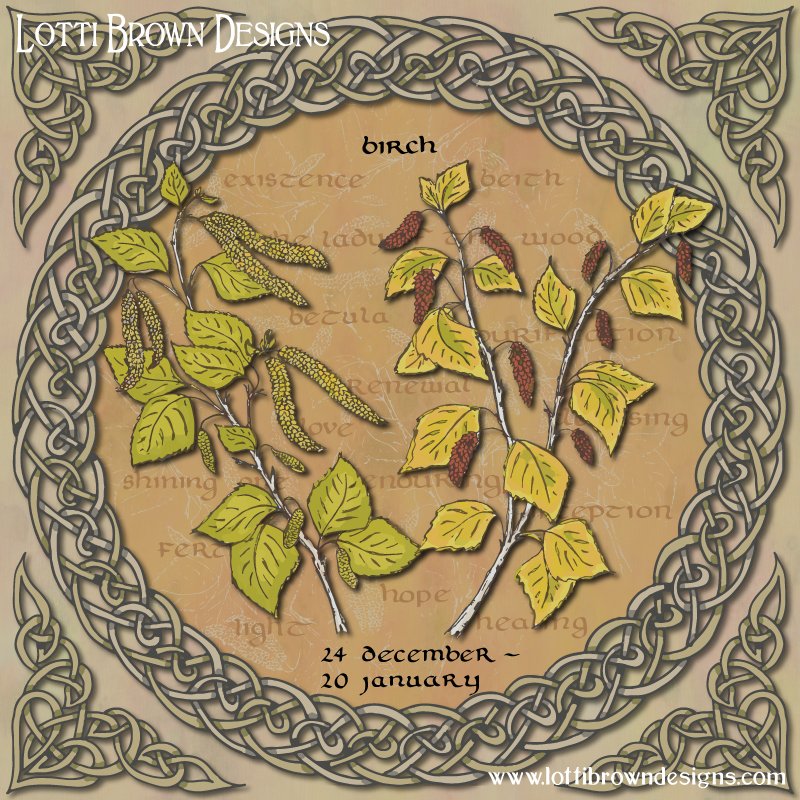 The Celtic Tree Calendar month of the Birch tree - 24 December to 20th January
I created my Celtic Birch art in 2020-21 as part of my Celtic Tree Calendar art project...
If you want to find out more about what the Celtic Tree calendar actually is, click here!
To me, birch feels like a tree of fresh starts - that moment when something new begins, quietly but full of possibility...
Birch tree symbolism centres around renewal, purification, protection, light, and new beginnings.
Birch Tree Symbolism, Myth & Meaning
Birch is one of our most beautiful native British trees and one of the most mystical!
Birch is often seen as a ‘pioneer tree’ – it was the first tree to start to recolonise the land after the last Ice Age and is, even now, often the first to start to grow on cleared lands or wastelands – and it provides nourishment for the plants and trees that come after to allow the natural ecosystem to regrow. Because of this, birch is often associated with renewal and new beginnings.
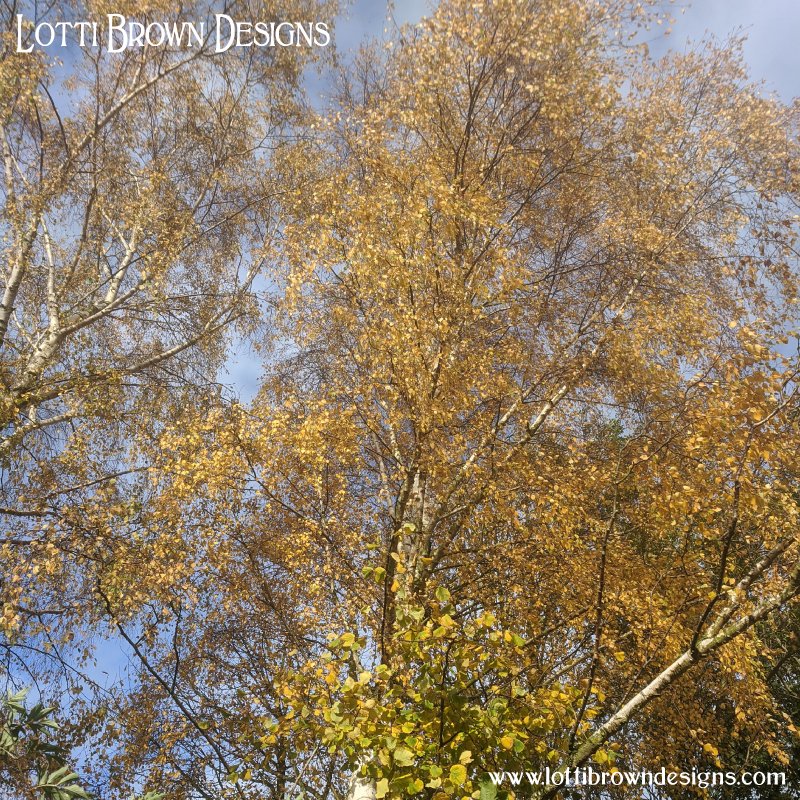 Birch tree
Celtic Tree Calendar Birch: 24 December to 20
January
- Latin name: Betula pendula
- Irish/Gaelic name: Beith, Bith, Beth
- Common names: Begh, Bobbyn, Birk, Birk-tree, Burk, Burk-tree, Paper-birch, Paper-beech, Ribbon tree
- Language of Flowers meaning: meekness
- Qualities: fertility, protection, purification, cleansing, healing, light, renewal, rebirth
- Associations: Beltane, Whitsun, Samhain, witches broomsticks, Freya, Frigga, Lugh, Arianrhod, Blodeuwedd
Tree of the World
The Gaelic words for birch – ‘beith’, ‘bith’, or ‘beth’ – mean ‘inception’, ‘world’, ‘existence’, ‘enduring’, and ‘shining one’, showing us something of how this beautiful tree was viewed in the Celtic world.
In the northern hemisphere, it is believed that early cultures saw the birch as the ‘world tree’ – while it is also suggested that in India and the Near East, the birch was seen as the original ‘tree of life’.
In the Tartar culture, the birch tree stands at the centre of the world…
And the Siberian Buryat people name birch ‘the guardian of the door’ and believe that the birch can provide access to the nine great celestial realms.
This positions birch as a tree of beginnings - a starting point from which life and knowledge emerge.
Tree of Knowledge
The word ‘birch’ is believed to stem from the word ‘bhurga’ – a Sanskrit word meaning ‘tree whose bark is used to write upon’.
We know that the king of Rome in the 7th-8th century BC, Numa Pompilius, is said to have had his own birch-bark books buried with him in his grave, so showing how even at this early date, the bark of the birch was highly prized for book making.
This connection reinforces birch tree symbolism as a tree of learning, insight, and communication.
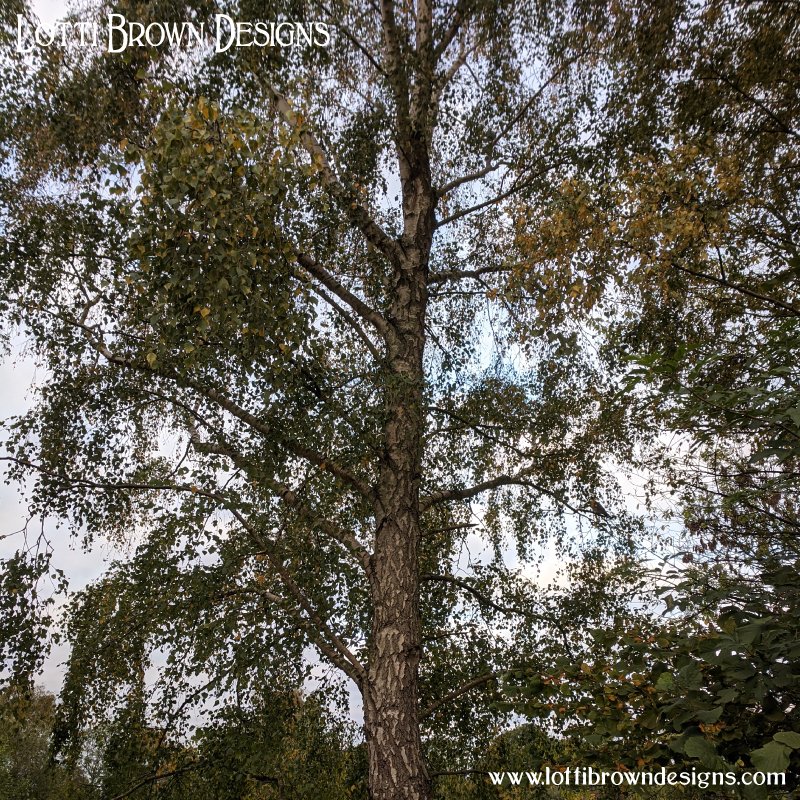 Birch tree
Legend tells that birch - ‘beith’ – was the first letter of the Celtic tree alphabet – the ogham - ever written.
The letter ‘beith’ was carved seven times onto a piece of birch by the god Ogma so that he could warn the god Lugh that his wife had been taken by fairies. It also served as a protective talisman for Lugh as he sought for his wife.
Tree of Light
The Siberian Yakut culture associate the birch with ‘Ai Toyou’ the ‘bringer of light’ who lives in a birch tree with its branches filled with nests of children.
The association of birch with light is a powerful one – the beautiful silver-white bark reflects light and appears particularly striking and ethereal by moonlight, especially on those dark winter nights when the trees stand bare of leaves.
Birch is associated with the Celtic god of light, Lugh.
In the Celtic world, birch trees are also associated with the Northern Lights, the Aurora Borealis – you can imagine the ethereal beauty of the scene with these dancing lights reflected in the silver birch bark – and through this association, with the Celtic goddess Arianrhod who has her throne in the ‘corona borealis’, ‘the crown of the north wind’.
Celtic women are thought to have traditionally used birch to ask for Arianrhod’s assistance in childbirth (a time of new beginnings).
The association with light gives birch a sense of clarity and hope - a guiding presence through darker times.
Tree of Love and Fertility
Birch is also connected to Freya, the Norse goddess of love and fertility, and Frigga, considered the goddess of married love.
In fact, birch has associations with traditional folk love rituals – in Wales, a man would present the woman he loved with a garland of birch to show his feelings – and would know that she shared his feelings if she gave him one back.
In Wales, too, a newly married couple would step over a birch broom to enter their new home together, representing a wish for fertility.
In the Celtic Basque country, a gift of a birch twig could initiate a courtship, while birch oil was used for love spells.
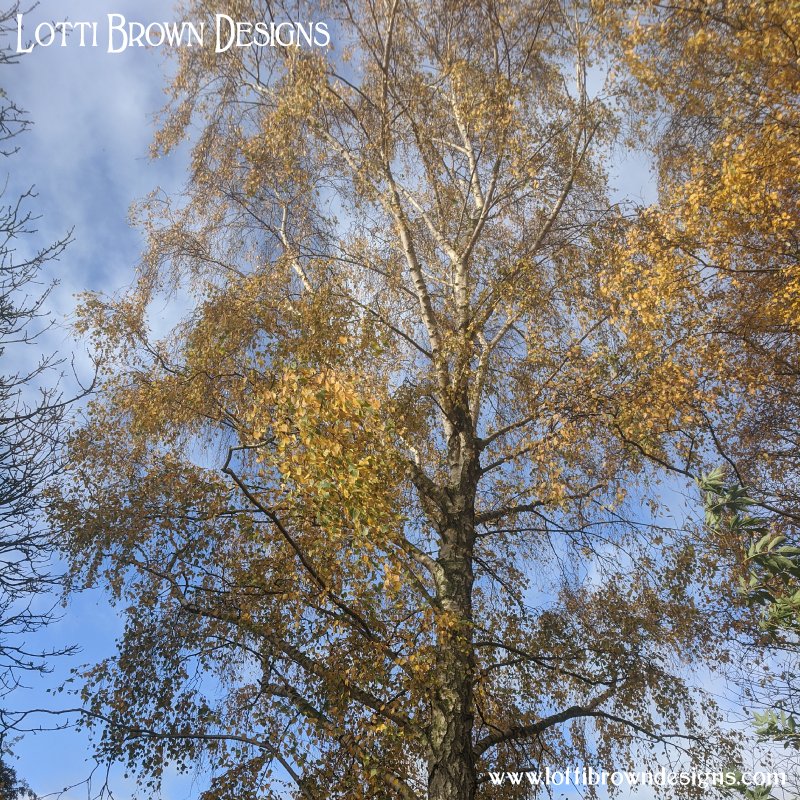 Birch tree
Tree of Renewal
Birch was also considered to bring luck and protection, especially in springtime.
Birch is one of the first trees to leaf in springtime, so again is associated with renewal, rebirth, and new starts. Birch is connected with Blodeuwedd, the Welsh goddess of springtime and flowers.
At the Celtic festival of Beltane (May Day or May 1st) birch was used as a living maypole as it was thought to protect against the evil eye.
At Beltane, too, birch was gathered as wood to fuel the Beltane fires and the villagers and their animals would pass through the fires to provide protection, cleansing from negative energies and hope for a fertile year ahead.
Young birch trees were also often decorated with red and white ribbons on this day, and placed at stable doors for luck and to protect the horses from being ‘hag-ridden’ by witches – the birch trees would be left in place all year.
Garlands of birch (often with rowan, may blossom, and cowslip) would also similarly provide protection and luck over cottage doors, hearths, cradles, gardens, and even in hat bands.
Later in May, at Whitsuntide, from at least the 16th century, birch branches were brough into churches to decorate them for the festival.
At the end of the year, too, the birch features as a popular Yule log, clearing the Old Year away to make way for the new.
Birch branches were used to ‘drive out’ the Old Year on 31st December – to clear negative energies for the year ahead. And in the Rogationtide ritual, birch branches were also used to beat the bounds of the parish and to enforce and protect the boundaries of the parish to clear negative influences.
Sometimes, naughty boys or lunatics were also beaten with birch to cleanse of negative energies or demons! We know the term ‘birching’ today, referring to a purifying beating or flagellation to remove toxic thoughts or energies.
As recently as the early 20th century, even, birch boot-scrapers were found outside cottage doors – a ritual boot-scraping as you entered would bring luck and keep all within safe from witches!
This is perhaps the clearest expression of birch tree symbolism - a tree of cleansing, renewal, and fresh starts.
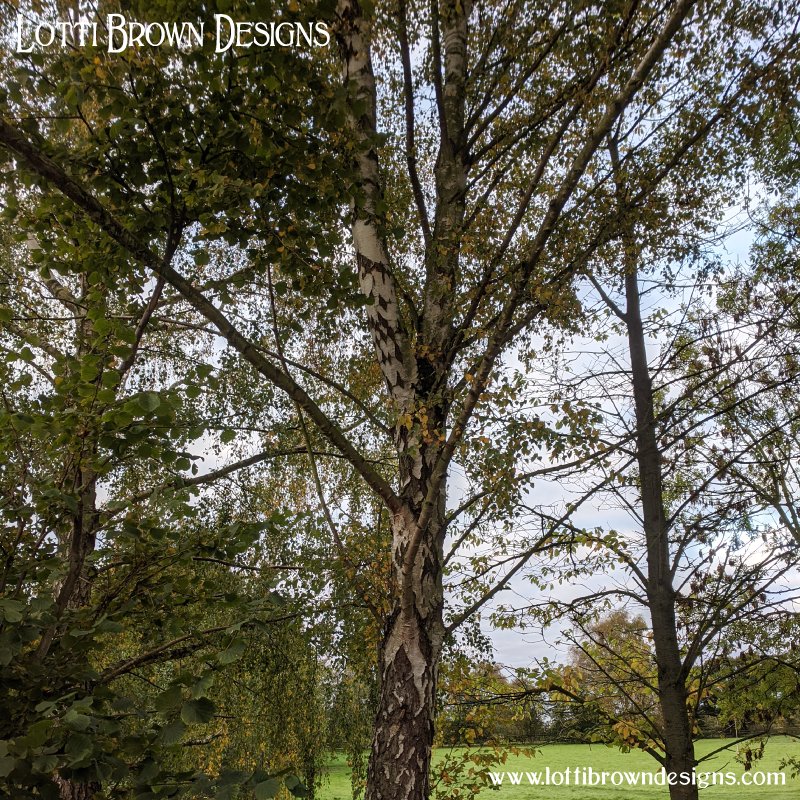 Birch tree
The birch tree is often connected with the mysteries of the otherworld – fairies and spirits of the dead. The Scottish ballad ‘The Wife of Ushers Well’ suggests how the spirits of the dead wear birch twigs so that they are not blown away by the ‘world’s winds’ (ie: the existence and energy of the living world).
If you feel drawn to the birch - its pale beauty and magical presence - you might enjoy spending a little more time with it in your journal.
I’ve created a gentle guide to help you do just that...
Tree of the Witch
Witches are inexorably associated with the birch tree…
Birch twigs were said to make the best witches’ broomsticks (‘besoms’) – the magical light that the twigs contained were said to help the broomstick to fly well, and birch allowed the broomstick to be used to ritually sweep and cleanse an area of negative energies.
Here, birch again reflects its role as a cleansing and protective force - clearing away negativity and making space for new energy.
The birch is also associated the red and white spotted fly agaric mushrooms which grow at the foot of the birch tree. The fly agaric mushroom is hallucinogenic and is said to be used in the ‘flying ointment’ used by British and European witches to ‘fly’ in shamanic-style vision. (Fly agaric is also used in the Soma, a vision-inducing drink mentioned in the Rig Veda of the Hindu tradition.)
With these connections, the birch is therefore also associated with autumn and Samhain (Halloween) – the night of witches!
Tree of Healing
Birch is also valuable as a healing tree – the ‘birch water’ (sometimes called ‘birch blood’) is bored from a hole the trunk and carefully collected. It’s traditionally been used to precent kidney and bladder stones, treat rheumatic diseases and as a tonic for skin.
Birch bark has been used as a folk remedy for eczema and fevers, while the leaves were traditionally used to help flush toxins from the system, including to help with urinary tract infections and inflammatory diseases such as arthritis, rheumatism, and gout.
The active ingredient in birch, betulinic acid, has been found to be antiseptic, astringent, anaesthetic (kills pain), and anti-inflammatory. Modern medical research even suggests that it may be able to destray cancer cells and help to treat HIV, leukemia, and herpes.
The flower essence for birch is to promote renewal and a fresh energy. It has a purifying energy and brings hope, encourages clarity of thought and purpose, and a pioneering attitude to new adventures.
Once again, we see birch as a tree of renewal - supporting the body’s ability to cleanse, restore, and begin again.
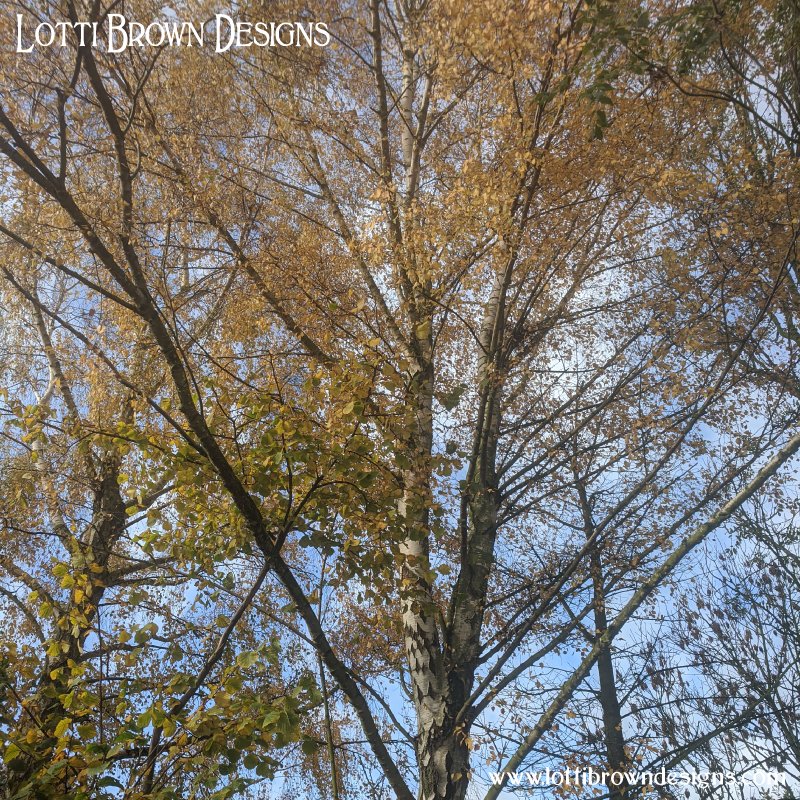 Birch tree
Birch is also a useful tree – it’s been used across the years to make furniture, barrels and casks, toys, brooms, arrow shafts, clogs, bobbins, parchment and paper, baskets, roofing, and for plywood. The tannin in birch is also highly prized in leather-making – ‘tanning’.
Birch Tree Symbolism
When we explore birch tree symbolism, we find a tree deeply connected to renewal, light, and new beginnings.
Birch is a pioneer tree - the first to grow after disturbance - and so it represents fresh starts, hope, and the return of life after difficulty.
It is also a tree of purification and protection, used throughout history to cleanse spaces, mark boundaries, and bring positive energy.
At the same time, birch is associated with light, love, and fertility - a gentle but powerful symbol of growth, clarity, and transformation.
Birch tree symbolism reminds us that every ending holds the potential for a new beginning.
Journal with the Birch
 Birch Celtic Tree Calendar nature journaling course
If the symbolism and folklore of the Birch has inspired you, you might enjoy exploring it more deeply through nature journaling. My gentle Birch journaling course invites you to notice the tree through the season, observe its details, and record your own encounters and personal reflections at your own pace.
Explore the Birch Nature Journaling Course
If you’d like to follow this journey through the seasons, I’ve created a full course, 'A Year of Trees', exploring all thirteen trees of the Celtic Tree Calendar.
My Celtic Birch Art
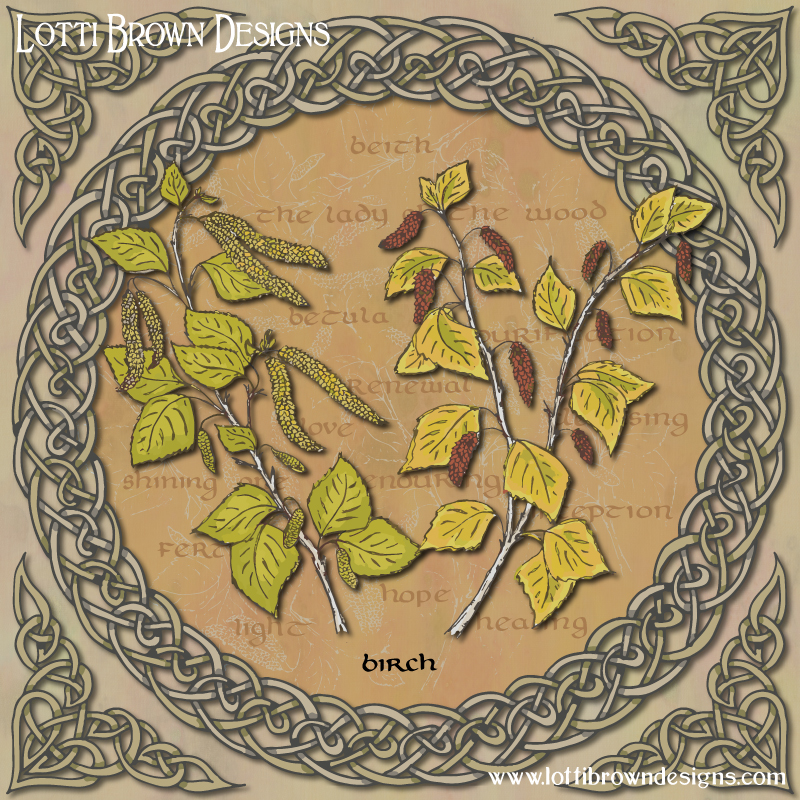 Celtic tree art - Birch
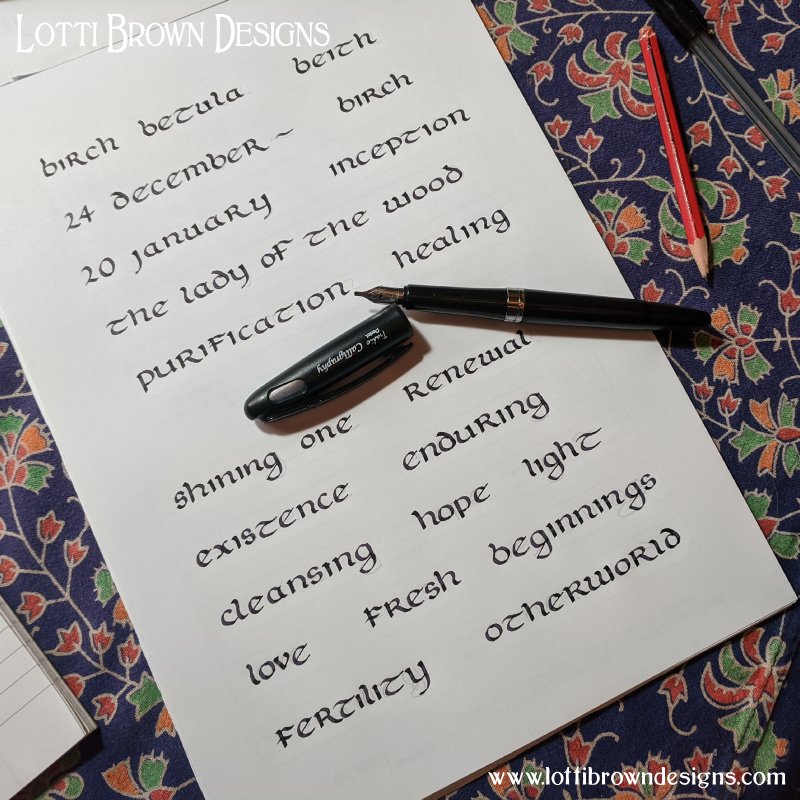 Birch tree calligraphy
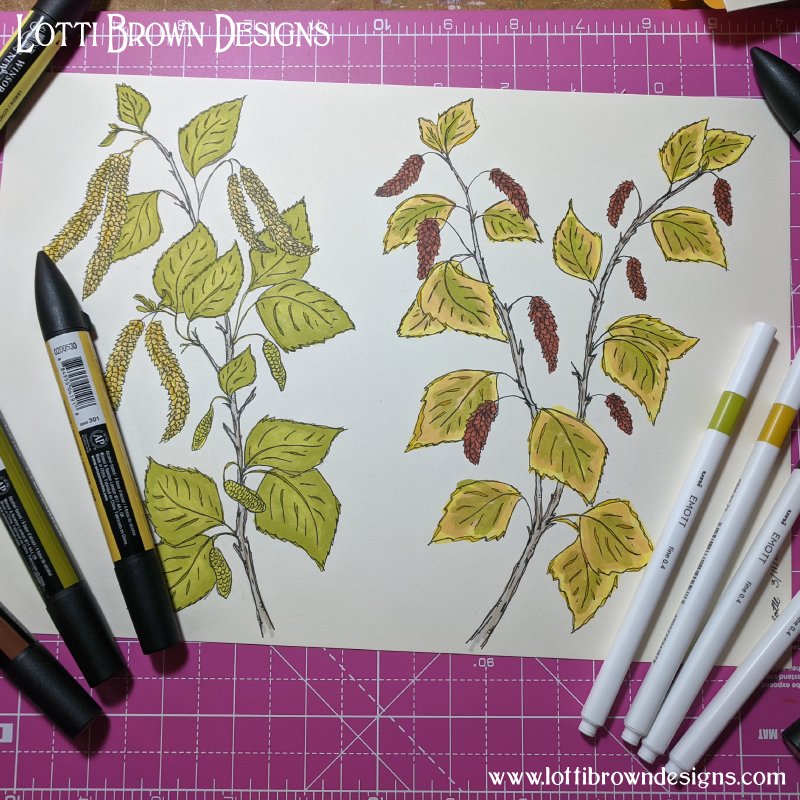 Birch drawings
Learning about birch tree symbolism - its connection to renewal, light, and fresh beginnings - really shaped how I approached this piece...
I focused on making the stems shine silver and the catkins and leaves shine gold. I wanted the colour palette for this artwork to feel lighter and more golden to reflect the colours of the birch tree and the symbolism for light and new beginnings.
Birch (Renewal, Light, New Beginnings)
If the symbolism of the birch has resonated with you - that sense of renewal, light, and quiet new beginnings - this piece was created as a way of holding onto that feeling.
It grew from the idea of fresh starts and gentle resilience, inspired by the birch’s role as a pioneer tree - the first to return and restore life to the landscape.
Take a closer look at the birch artwork and see available prints & products below...
It’s a piece that brings a sense of clarity and calm - a reminder of new beginnings and the return of light.
I've actually created two versions of my Celtic Birch art:
- the standard version (undated)
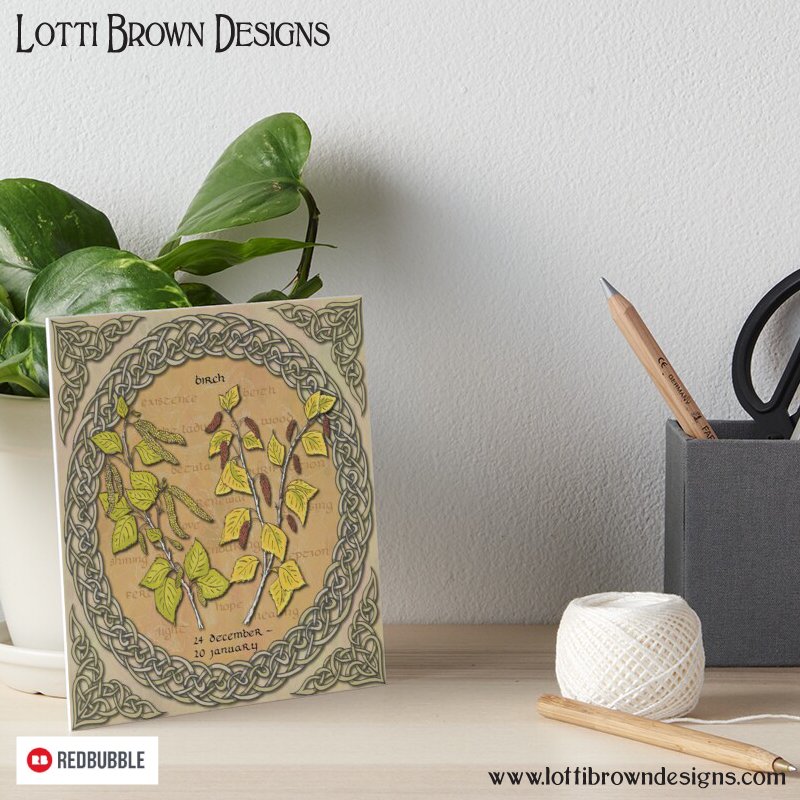
- a Celtic Tree Calendar version with dates added (24 December – 20 January) which correspond to the month for the birch - ideal for birthdays, anniversaries and other special occasions between these dates (learn about the Celtic Tree Calendar here...)
(with the dates of the Celtic Tree Calendar month of the birch - 24th December to 20th January)
You can explore my Celtic Birch artwork in my Redbubble store:
- wide variety of products including T-shirts, cushions, throws, shower curtains, mugs, phone/tech cases, clocks, pouches, bags and much more...
- fast international delivery from your closest manufacturing location
- customs refund if you're charged
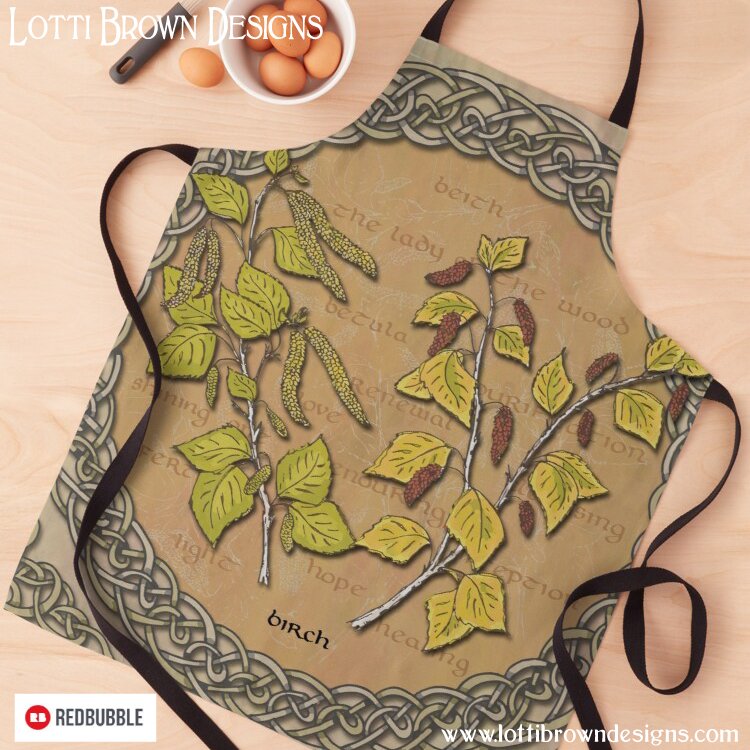
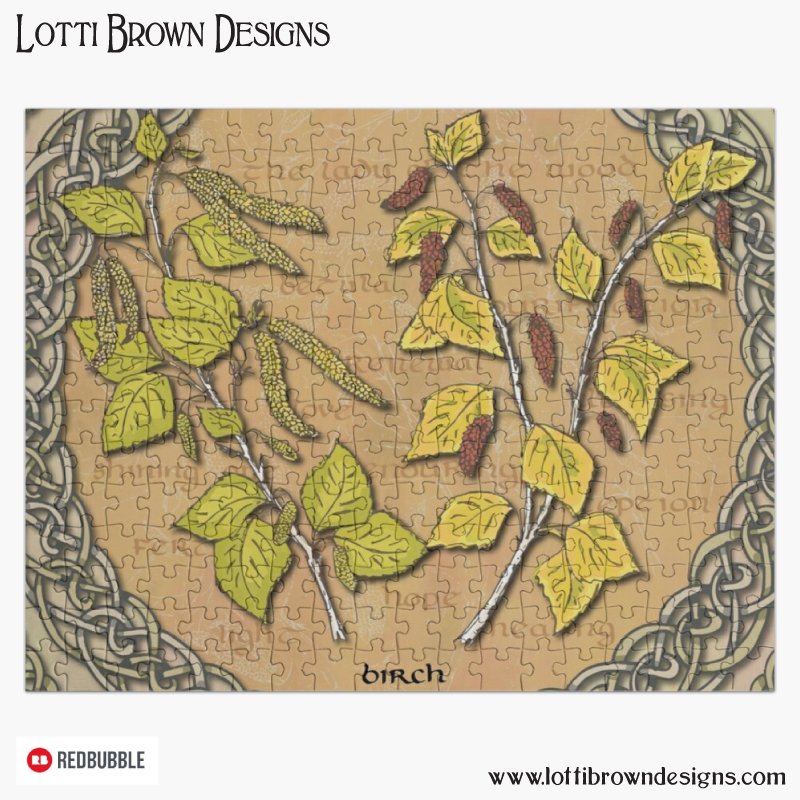
Here are just a few products to give you a taster of what's available.
You can click on each image to see that particular product, or click on one of the main links (above, also duplicated at the bottom of the page for convenience) to see the whole range in either the dated or undated option.
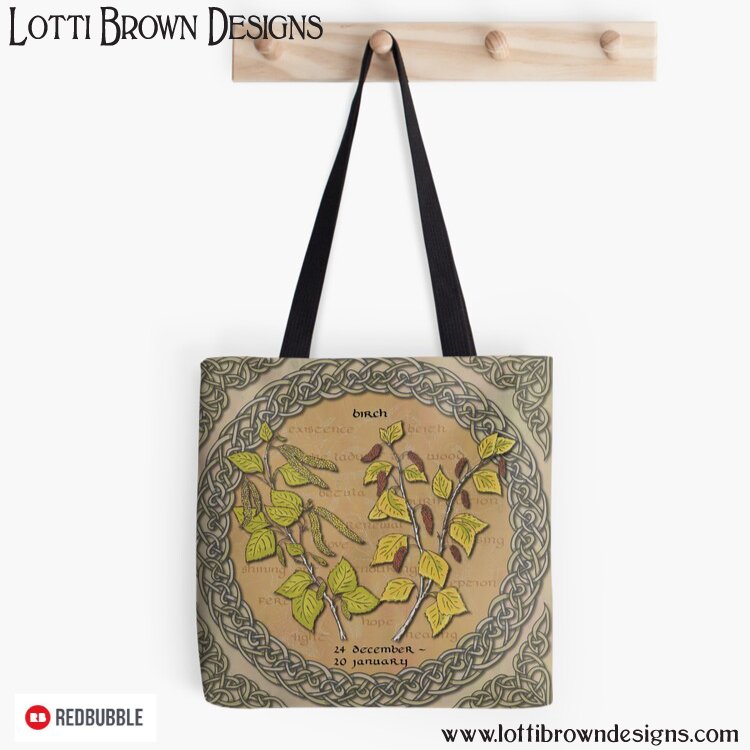
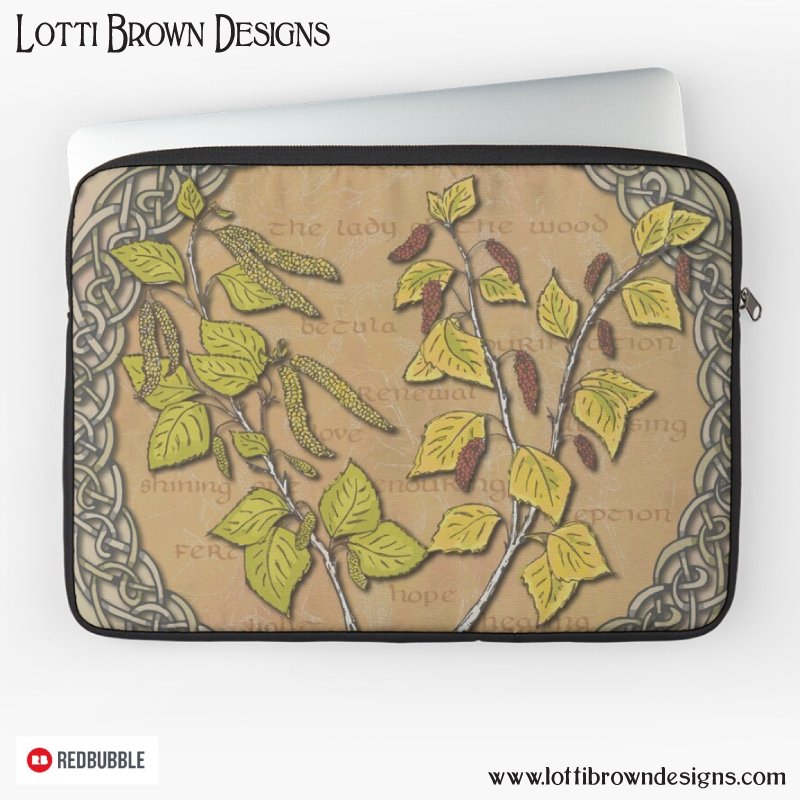
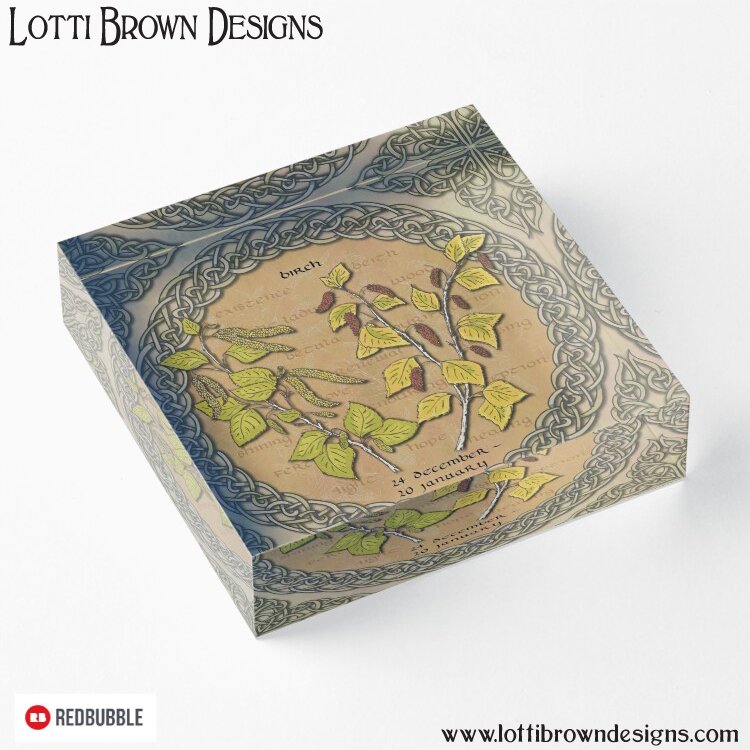
Buy my Celtic Birch Art
Remember there are two versions of my Celtic Birch art:
- the standard version (undated)
- a Celtic Tree Calendar version with dates added (24 December – 20 January)
Browse all products for both versions at the links just below...
(with the dates of the Celtic Tree Calendar month of the birch - 24th December to 20th January)
Birch in the Celtic Tree Calendar
If you’re exploring the Celtic Tree Calendar, you might also enjoy:
- Elder (24 Nov – 23 Dec) – transformation and endings
- Birch (24 Dec – 20 Jan) – renewal and new beginnings
- Rowan (21 Jan – 17 Feb) – protection and intuition
If you’d like to begin your own quiet journaling practice with the birch, you can find my gentle journaling guide for birch and other individual trees here - or explore all the trees in one guide here (A Year of Trees).
See more of my Celtic Tree Calendar art here...
All the info about the Celtic Tree Calendar (history, explanations etc.) here...
More of my Celtic art here... and all my art here...
Visit my Celtic Trees Hub here...
Discover more British nature folklore in my Folklore Hub here...
If you love nature, why not start nature journaling?
Visit my Little Art Shop for my newest art prints & products...
Have you ever thought about nature journaling..?
If you like nature, you might like to start your own nature journal!
Find out all about nature journaling here...
You can get started with my free guide here.
Or explore my gentle self-paced nature journaling course with nature journaling exercises to get you confident with nature journaling - take a look here...
Further Reading
- Celtic Tree Magic – book by D. Forest
- Tree Wisdom – book by J.M. Paterson
- Vickery’s Folk Flora – book by R. Vickery
- Discovering the Folklore of Plants – book by M. Baker
- Plant Lore and Legend – book by R. Binney
- The Healing Power of Celtic Plants – book by A Paine
Please note that the information in this piece is for entertainment only and should not be used to diagnose or prescribe for health purposes.

Shall we stay in touch..?
Each month, I share stories from my own nature journal, new art from my studio, and simple seasonal inspiration to help you feel more connected with the turning year - if you'd like to stay updated, please sign up with your email address below...
Recent Articles


-
Barn Owl Folklore & Meaning - Symbolism of the Barn Owl
Sep 15, 26 03:34 AM
 Explore barn owl folklore, symbolism and meaning, from ancient myths to British traditions. Discover the quiet wisdom and mystery of this ghostly bird.
 -
Bramble Meaning, Myth & Symbolism - Celtic Tree Calendar Art
Sep 02, 26 11:32 AM
 A look at bramble meaning, myth and symbolism as I share my bramble Celtic Tree Calendar art for the month of 'Vine'...
 -
Nature Journal Prompts
Aug 26, 26 04:05 AM
 Easy nature journal prompts to inspire and encourage you - one per week...
Shop My Current Artwork Collections

My art is available as sustainable art prints, notebooks, greetings cards, tote bags and clothing in my Teemill shop.
Find my stockists for all my earlier artworks here...

Lotti Brown is a self-taught nature artist and nature journaling educator whose hand-drawn work is inspired by wildlife, folklore, and close observation. With 18 years in creative fields and 10 years creating nature art, she brings deep practical experience to her work. Trained by the Wild Wonder Foundation, she shares nature journaling courses and guides online. Her artwork has been licensed internationally and exhibited at Goole Museum and Bridlington Spa in the East Riding of Yorkshire, UK.
Follow me:
Share this page: